In the realm of
education, two terms frequently surface: andragogy and pedagogy. While they may
sound similar, they represent distinct approaches to teaching and learning.
Understanding the disparity between these concepts is crucial for educators
aiming to tailor their methods effectively. Let’s delve into the nuances of
andragogy and pedagogy to comprehend their unique characteristics and
applications.
The difference between andragogy and pedagogy, according to authors, is centered on the focus of the educational process and the type of learners they address. Malcolm Knowles, a leading author in andragogy, points out that andragogy focuses on the learning of adults, who have previous experiences and wish to actively participate in their educational process. On the other hand, pedagogues such as Jean Piaget focus on teaching children and adolescents, highlighting the importance of adapting educational methods to the cognitive development stages of students. With this, we know that while andragogy prioritizes adult autonomy and experience, pedagogy focuses on instructing and guiding the learning of children and adolescents. We will expand on this information in more detail below.
- PEDAGOGY: Definition, approach and types.
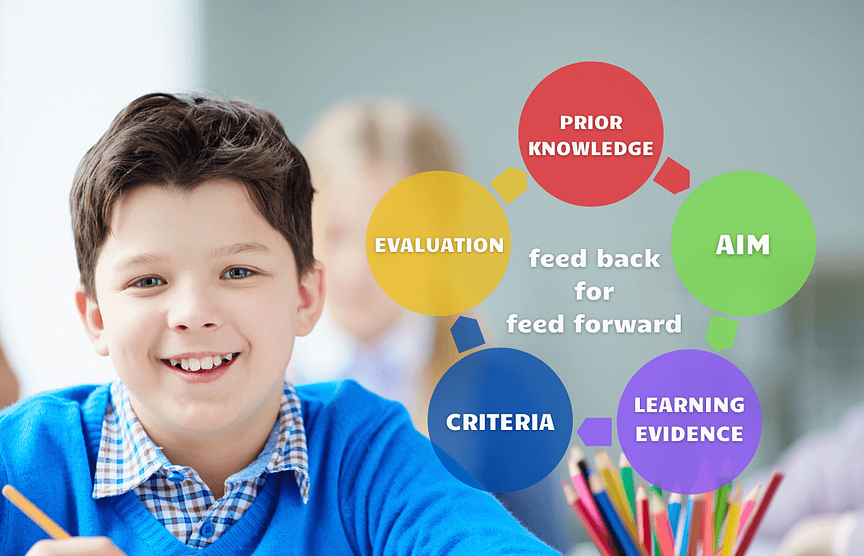
Education for Children and Adolescents Pedagogy refers to the art and science of teaching children and adolescents. Rooted in traditional educational practices, pedagogy typically involves a more teacher-centered approach, where educators assume the primary responsibility for guiding and directing the learning process. The pedagogical model often incorporates structured lesson plans, lectures, and assessments designed to impart knowledge and skills to young learners. While pedagogy emphasizes the importance of foundational concepts and structured learning environments, it also recognizes the evolving needs and developmental stages of children and adolescents. Effective pedagogical strategies prioritize engagement, differentiation, and scaffolding to accommodate diverse learning styles and abilities within the classroom.
In education, various types of pedagogy have evolved
over time to address different learning styles, objectives, and contexts. Here
are some common types of pedagogy found in educational practice:
Direct Instruction: In this traditional approach, the
teacher leads the learning process through lectures, demonstrations, and
explicit instructions. It emphasizes teacher-directed activities and structured
lessons to convey knowledge and skills to students.
Constructivist Pedagogy: Based on the theory of
constructivism, this approach emphasizes active learning, inquiry, and
student-centered activities. Students construct their own understanding of
concepts through exploration, collaboration, and reflection, with the teacher
serving as a facilitator.
Collaborative Learning: This pedagogical approach
encourages students to work together in groups or teams to solve problems,
complete projects, or discuss ideas. It promotes peer interaction,
communication skills, and cooperative learning strategies to foster a sense of
community and shared responsibility for learning.
Differentiated Instruction: Recognizing that students
have diverse learning needs and abilities, differentiated instruction involves
tailoring teaching methods, materials, and assessments to meet individual
learning styles, preferences, and readiness levels. It aims to accommodate
diverse learners and promote equity and inclusivity in the classroom.
Experiential Learning: Experiential pedagogy focuses
on learning through direct experiences, real-world applications, and hands-on
activities. It engages students in authentic tasks, simulations, experiments,
or fieldwork to deepen understanding, develop practical skills, and foster
connections between theory and practice.
Inquiry-Based Learning: This approach encourages
students to ask questions, investigate problems, and explore topics
independently or collaboratively. It promotes curiosity, critical thinking, and
problem-solving skills as students engage in research, experimentation, or
project-based learning to construct knowledge and find solutions.
These are just a few examples of pedagogical
approaches used in education, each with its own principles, strategies, and
applications suited to different learning contexts and objectives. Effective
pedagogy often involves selecting and adapting instructional methods based on
the needs and characteristics of learners, as well as the desired learning
outcomes.
IMPORTANCE OF PEDAGOGY:
The importance of andragogy lies in its ability to address the specific needs of adults as learners, recognizing their autonomy, prior experience and intrinsic motivations for learning. By adopting an adult-centered approach, andragogy promotes active participation, self-direction, and relevance to learning, which is essential for continuing professional development, adapting to occupational changes, and promoting lifelong learning. By providing strategies and methodologies adapted to the characteristics and contexts of adults, andragogy facilitates a more effective, meaningful and enriching educational process for adult learners, thus contributing to their personal and professional growth.
- ANDRAGOGY: Definition, approach and types.

Andragogy, as an educational approach focused on adult
learning, addresses the specific particularities and needs of this demographic
group. Through understanding the unique characteristics of adults as learners,
andragogy offers a number of types and strategies to facilitate effective and
meaningful learning. Here we will explore some types of andragogy and their
importance in the adult educational process:
1. Self-learning: Andragogy recognizes that adults are
often self-directed in their learning. Therefore, self-learning is a
fundamental type of andragogy where adults take responsibility for their own
educational process. Distance education programs, online courses, and
self-directed learning opportunities offer adults the flexibility and autonomy
to acquire knowledge and skills independently.
2. Experiential learning: Adults bring with them a wealth of prior experiences that can enrich the educational process. Andragogy recognizes the importance of using these experiences as a starting point for learning. Methods involving reflection, case analysis, group discussions and practical application of knowledge allow adults to connect theory with their personal and professional experience.
3. Collaborative learning: Although adults often have
individual goals and unique experiences, collaborative learning remains a
valuable tool in andragogy. Peer-to-peer collaboration provides opportunities
for the exchange of ideas, mutual support, and the collective construction of
knowledge. Study groups, collaborative projects, and communities of practice
are examples of collaborative approaches that promote active participation and
shared learning among adults.
4. Contextualized learning: Andragogy recognizes the
importance of linking learning to situations and contexts relevant to adults'
lives and work. Contextualizing learning, whether through case studies,
real-world examples or simulations, increases the relevance and applicability
of the knowledge acquired. This motivates adults by demonstrating the immediate
usefulness and transferability of what they are learning to their personal and
professional environment.
IMPORTANCE OF ANDRAGOGY:
The importance of andragogy lies in its ability to address the specific needs of adults as learners, recognizing their autonomy, prior experience and intrinsic motivations for learning. By adopting an adult-centered approach, andragogy promotes active participation, self-direction, and relevance to learning, which is essential for continuing professional development, adapting to occupational changes, and promoting lifelong learning. By providing strategies and methodologies adapted to the characteristics and contexts of adults, andragogy facilitates a more effective, meaningful and enriching educational process for adult learners, thus contributing to their personal and professional growth.
KEY DIFFERENCES AND IMPLICATIONS
At the core of the
disparity between andragogy and pedagogy lies the distinction between adult and
child learners, each possessing unique characteristics, motivations, and
learning preferences. While pedagogy focuses on guiding and instructing young
minds within a structured framework, andragogy places greater emphasis on
facilitating self-directed learning and leveraging adult learners’ experiences
and autonomy. Understanding these variances is essential for educators to tailor
their teaching strategies effectively, whether they're engaging with adult
learners in professional development programs or nurturing the growth of
students in K-12 classrooms.
In the educational landscape, recognizing
the contrast between andragogy and pedagogy is paramount for educators seeking
to optimize their teaching practices. By understanding the unique needs and
characteristics of adult and child learners, educators can employ appropriate
strategies to foster meaningful learning experiences. Whether embracing the
principles of self-directed learning in andragogy or employing engaging
pedagogical methods for young learners, the ultimate goal remains the same: to
empower individuals on their educational journey towards knowledge, growth, and
fulfillment.
In my opinion, both andragogy and pedagogy are fundamental educational approaches that can complement each other to enrich the educational world. Traditional pedagogy has historically focused on teaching children and adolescents, providing structure, direction and a solid foundation for learning. However, in a world where lifelong learning is essential, andragogy emerges as an indispensable component to address the needs of adults as learners.
I believe that the combination of pedagogy and andragogy can provide a holistic approach to lifelong learning, addressing the learning needs of people of all ages and contexts. This allows us to better adapt to the diversity of learners and promote continuous and meaningful learning at all stages of life. Furthermore, by integrating strategies and principles from both approaches, we can cultivate an educational culture that values personal and professional development through knowledge, reflection, and collaboration. In short, both andragogy and pedagogy have a vital role to play in the educational world, and their integration can open up new opportunities for transformative learning and human growth.
Opinion blog written by Amy Angelis Cordoba.
References
[1] Yonge,
G. D. (1985). Andragogy and pedagogy: Two ways of accompaniment. Adult
Education Quarterly, 35(3), 160–167 https://psycnet.apa.org/record/1985-31960-001
[2] APA PsycNet: “What’s between pedagogy and andragogy?” https://psycnet.apa.org/record/1984-16415-001


ResponderBorrarGood night Amy.
It was very helpful to carry out my activity, who would have thought that there was so much difference between pedagogy and andragogy, it was very clear and understandable material. I recommend it 100%, excellent blog.
Regard,
Bruce Rounds